
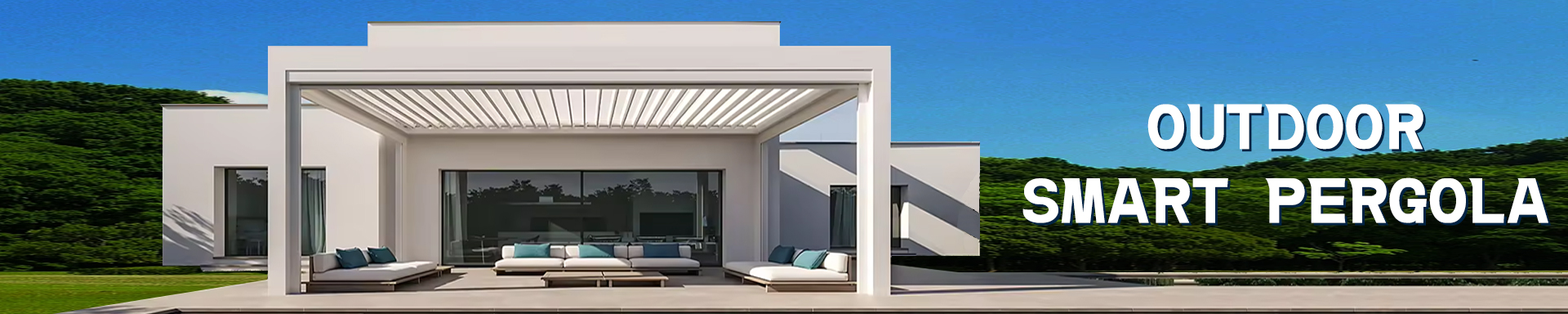
Aluminum fences excel in long-term security because they withstand environmental hazards such as strong winds, rain, and temperature changes. Unlike wood, they don’t warp, rot, or deteriorate, ensuring that entry points and panels remain secure. With periodic inspections and occasional reinforcements, these fences deliver durable, reliable protection for decades.
1. Physical Barrier Benefits
A well-constructed Aluminum Slatted Fence serves as a robust physical barrier that combines durability with modern aesthetics. Homeowners and businesses increasingly choose aluminum because it provides a high level of protection without the heavy maintenance required by traditional wood fences.
1.1 Strength and Durability of Aluminum Slats
Aluminum slats are lightweight yet incredibly strong, resisting warping, cracking, and rust over time. Unlike wood, which can splinter or rot when exposed to moisture, aluminum maintains its structural integrity for decades. In urban or high-traffic areas, this strength ensures the fence withstands accidental impacts and everyday wear. For example, in a commercial property installation, panels over 2 meters tall with reinforced aluminum posts successfully resisted repeated physical impacts without bending or loosening.
| Material Type | Average Lifespan | Susceptibility to Weather | Maintenance Frequency |
|---|---|---|---|
| Aluminum Slatted Fence | 20–30 years | Very Low (rust-resistant) | Minimal (annual inspection) |
| Wood Fence | 10–15 years | High (prone to rot/warp) | Frequent (staining, sealing) |
This table clearly illustrates why aluminum offers a longer-lasting, more reliable barrier for residential and commercial properties.
1.2 Resistance to Forced Entry
One of the major advantages of aluminum fences is their resistance to forced entry. Aluminum slats can be custom-designed with narrow spacing, making it nearly impossible for intruders to squeeze through. Additionally, combining sturdy posts with tamper-resistant fasteners creates a fence that deters climbing and cutting. In several security-focused installations, Modern Aluminum Slatted Fences were used along the perimeter of office parks, significantly reducing break-ins compared to older wooden fences.
1.3 Impact of Fence Height and Slat Spacing
Fence height and slat spacing directly affect both security and privacy. For maximum protection, experts recommend:
-
Installing posts at consistent intervals of 6–8 feet to maintain panel rigidity.
-
Using slat gaps of 1–2 inches for privacy while still allowing visibility for surveillance.
-
Choosing fence heights of 6–8 feet for residential and commercial areas to prevent climbing.
When properly configured, these dimensions make it difficult for intruders to scale or manipulate the fence while providing a visually appealing boundary. Even for Classic Slatted Fence installations, adjusting slat density and height ensures both safety and aesthetic appeal.
2. Visibility and Surveillance
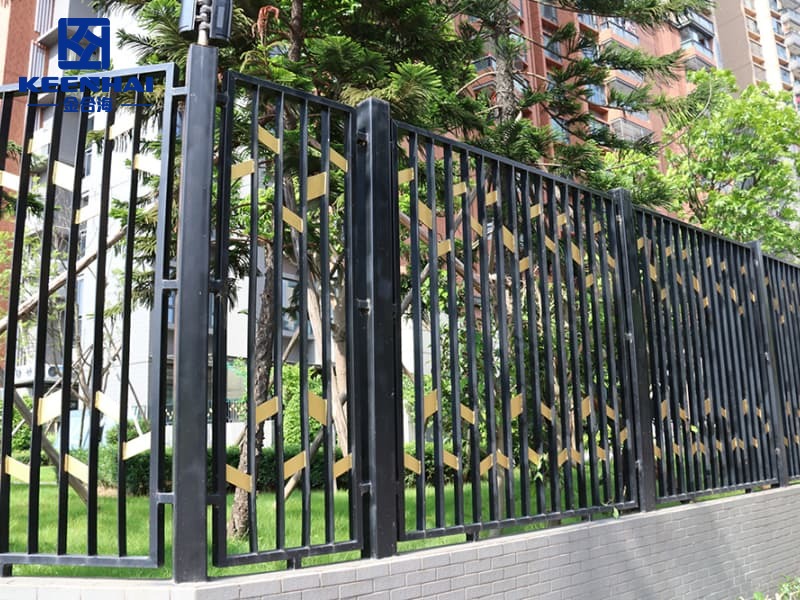
Proper visibility is crucial for maximizing the safety and security benefits of any fence. Aluminum slatted fences allow you to control sight lines while maintaining a clean, modern look, making it easier to monitor activity around your property without creating blind spots.
2.1 Maintaining Clear Sight Lines for Monitoring
One key advantage of aluminum slats is that they can be spaced strategically to preserve sight lines. By spacing the slats 1–2 inches apart, homeowners and security personnel can see through the fence while still maintaining privacy. This spacing ensures that surveillance cameras capture clear footage without obstruction. For example, at a residential perimeter, properly aligned slats allowed security cameras to cover all angles without visual barriers, enhancing monitoring efficiency.
2.2 Reducing Hiding Spots for Intruders
Aluminum fences minimize potential hiding spots by combining narrow slat gaps with solid post construction. Unlike dense wooden fences that can create shadowed areas or niches for intruders, aluminum slats reduce these vulnerabilities. In commercial installations using Modern Aluminum Slatted Fences, contractors positioned panels to eliminate blind corners, ensuring that intruders could not hide behind or between panels. Proper installation includes:
-
Ensuring panels are flush and level along the entire perimeter.
-
Maintaining consistent spacing to avoid gaps that can be exploited.
-
Securing posts tightly to prevent panel movement that could create gaps over time.
2.3 Integration with Security Cameras and Lighting
Aluminum slatted fences integrate seamlessly with security cameras and lighting systems. Their durability allows for easy attachment of camera mounts, motion sensors, or LED lighting along the top rail without compromising structural integrity. Key steps include:
-
Positioning cameras at corners and along long fence stretches for maximum coverage.
-
Installing LED or motion-sensitive lighting at 6–8 foot intervals to illuminate potential entry points.
-
Routinely checking fasteners and mounts to ensure stability and consistent sight lines.
This approach not only enhances physical security but also leverages modern technology to create a safer, more monitored environment around the property.
3. Access Control and Entry Points
Securing access points is a critical component of an aluminum slatted fence's overall safety strategy. Properly installed gates and high-quality locking mechanisms can significantly reduce unauthorized entry while maintaining the aesthetic appeal of the fence.
3.1 Secure Gate Installation Techniques
Gates should align perfectly with the fence line and be mounted on heavy-duty posts to prevent sagging or misalignment over time. Key steps include:
-
Measuring the gate opening precisely to ensure snug installation.
-
Using reinforced hinges that can support both the weight and frequent use of the gate.
-
Checking for level and plumb alignment before securing posts with concrete or anchor bolts.
-
Installing a threshold or ground stop to prevent the gate from swinging open unintentionally.
These steps ensure the gate functions reliably and adds a robust layer of security to the property perimeter. Gates on Aluminum Slatted Fences can be customized to match panel styles while providing strong access control.
3.2 Locking Mechanisms and Hardware Options
The choice of locks dramatically impacts fence security. Options include deadbolts, keypad locks, electronic strikes, and padlocks, depending on the property’s risk level. Installation best practices include:
-
Ensuring locks are mounted at standard heights for accessibility and ergonomic use.
-
Reinforcing strike plates with long screws that penetrate deep into the posts.
-
Testing multiple lock types under stress to confirm durability and reliability.
Using high-grade hardware also prevents tampering and prolongs the lifespan of both the gate and fence panels.
3.3 Limiting Unauthorized Access to Property
In addition to physical barriers, fences should be configured to discourage climbing or forced entry. Effective techniques include:
-
Maintaining panel spacing narrow enough to prevent footholds but wide enough for ventilation.
-
Adding anti-lift brackets or tamper-resistant fasteners on gates and fence panels.
-
Combining gates with integrated alarms or monitoring systems for enhanced control.
By addressing both physical and technical security measures, aluminum slatted fences provide a comprehensive solution to limit unauthorized property access while maintaining clean lines and modern aesthetics.
4. Fire and Environmental Safety
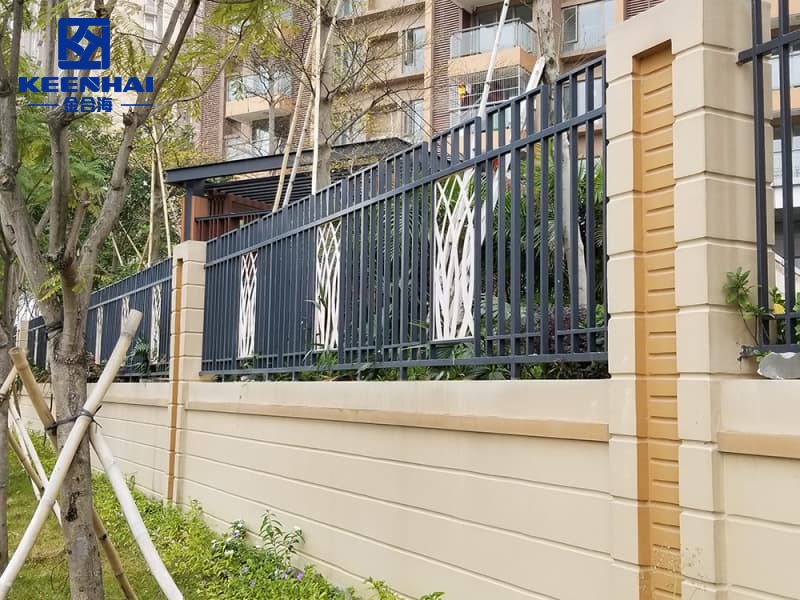
Aluminum slatted fences offer significant advantages over traditional wood fences when it comes to fire and environmental safety. By combining non-combustible material with engineered durability, these fences provide peace of mind in areas prone to natural hazards.
4.1 Non-Combustible Aluminum vs Wood
Aluminum panels resist ignition and do not contribute to fire spread, unlike wood, which can ignite and propagate flames rapidly under dry conditions. Key points include:
-
Aluminum slats maintain structural integrity even when exposed to high temperatures.
-
Powder-coated finishes add a protective layer that resists heat discoloration.
-
Fire resistance ratings of aluminum can be confirmed through ASTM standards for outdoor barriers.
For properties in wildfire-prone areas, installing an Aluminum Slatted Fence dramatically reduces fire risk while maintaining design flexibility.
4.2 Resistance to Environmental Hazards (Wind, Flooding)
Aluminum’s lightweight yet strong construction makes it highly resistant to wind damage and flooding:
-
Panels flex slightly under wind pressure instead of breaking, absorbing energy efficiently.
-
Corrosion-resistant coating ensures long-term performance even in high-humidity or flood-prone zones.
-
Proper post anchoring with concrete prevents uprooting during severe storms.
By contrast, wood fences can warp, rot, or collapse under similar conditions, requiring frequent repair or replacement.
4.3 Long-Term Stability Under Extreme Conditions
Aluminum fences maintain consistent alignment and spacing regardless of environmental stressors:
-
Thermal expansion is minimal compared to wood, preventing warping or splitting.
-
UV-resistant finishes protect against fading or structural degradation.
-
The lightweight frame allows for easier reinforcement if additional environmental safety measures are needed.
These properties make aluminum an ideal choice for homeowners and businesses looking for a low-maintenance, highly durable fencing solution capable of withstanding extreme weather conditions.
5. Maintenance and Longevity for Security
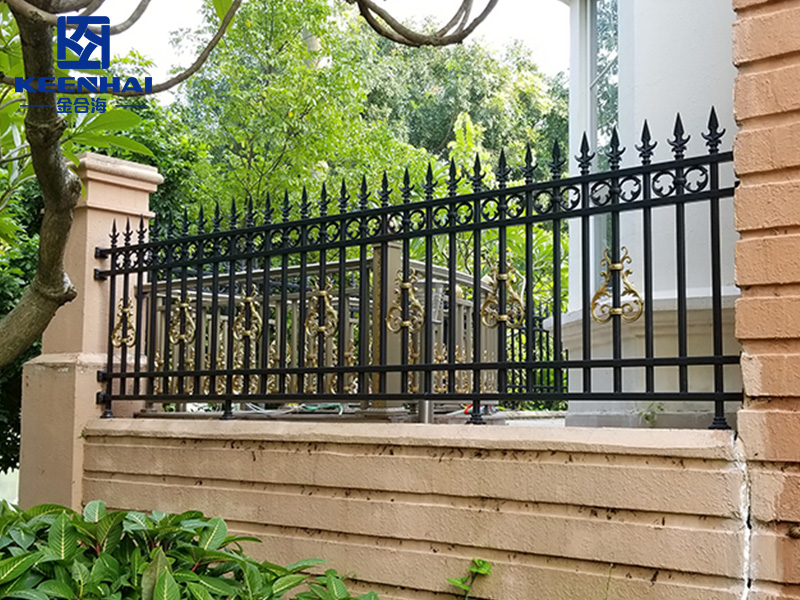
Proper maintenance directly impacts the security and lifespan of any fence. Aluminum slatted fences are designed to minimize upkeep while maintaining strength, but systematic inspections and occasional reinforcements ensure long-term performance.
5.1 Minimal Upkeep to Avoid Weak Points
Aluminum fences require significantly less maintenance than wood alternatives, reducing potential weak points that could compromise security:
-
Clean panels with mild detergent every 6–12 months to remove debris and prevent corrosion.
-
Avoid stacking heavy objects against slats to prevent bending or scratches.
-
Check powder-coated surfaces for chips and touch up minor damage to maintain full protection.
This low-maintenance characteristic ensures the fence remains a reliable barrier without constant intervention, making an Aluminum Slatted Fence an efficient long-term security solution.
5.2 Regular Inspection Protocols for Fence Integrity
Systematic inspections identify vulnerabilities before they escalate:
-
Examine posts, panels, and fasteners quarterly for signs of loosening or warping.
-
Confirm alignment and spacing of slats to detect any structural shifts caused by environmental factors.
-
Test gates and locks for smooth operation, tightening any loose hardware.
By maintaining a proactive inspection routine, owners ensure the fence continues to deter intruders and withstand environmental stress.
5.3 Reinforcing Panels and Posts Over Time
Even high-quality aluminum fences benefit from strategic reinforcements to extend lifespan and security:
-
Apply additional anchoring or concrete around posts in areas with high wind exposure.
-
Replace worn or bent fasteners to preserve uniform tension across slats.
-
Adjust panel expansion gaps to accommodate temperature fluctuations and prevent stress points.
These steps maintain both structural integrity and the visual appeal of the fence, ensuring long-term reliability without heavy maintenance.
Choosing an aluminum slatted fence combines modern design with robust security. With strong materials, precise construction, and minimal maintenance, these fences provide reliable protection for homes and commercial properties. Their durability ensures long-term performance, while open visibility and customizable heights add an extra layer of safety without compromising style.